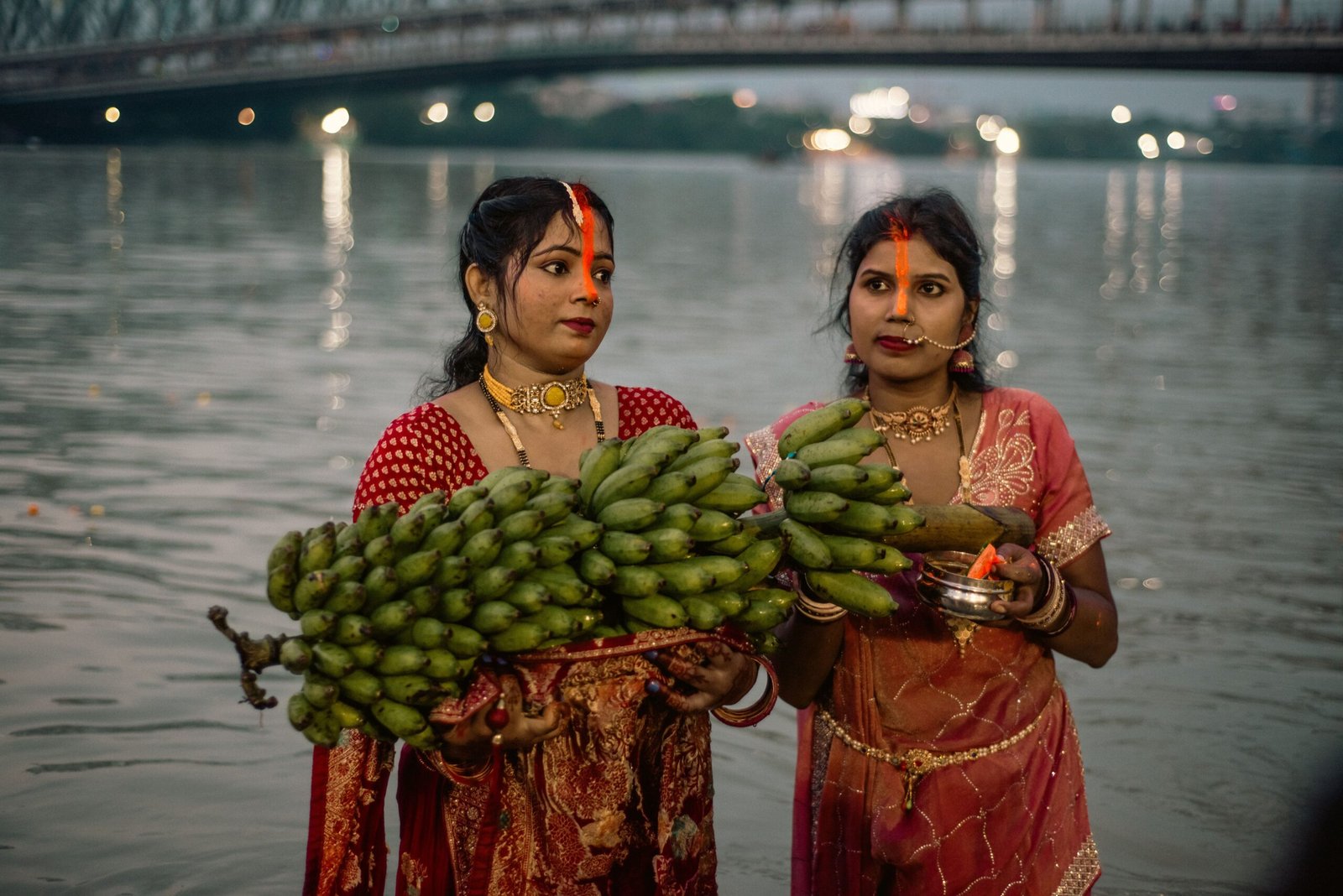
The Chhath Puja 2026 date is Friday, 13 November, with the four-day observance continuing through Monday, 16 November. In West Bengal and Bihar, families will gather at the river for Sandhya Arghya on Sunday evening and for Usha Arghya at dawn on Monday.
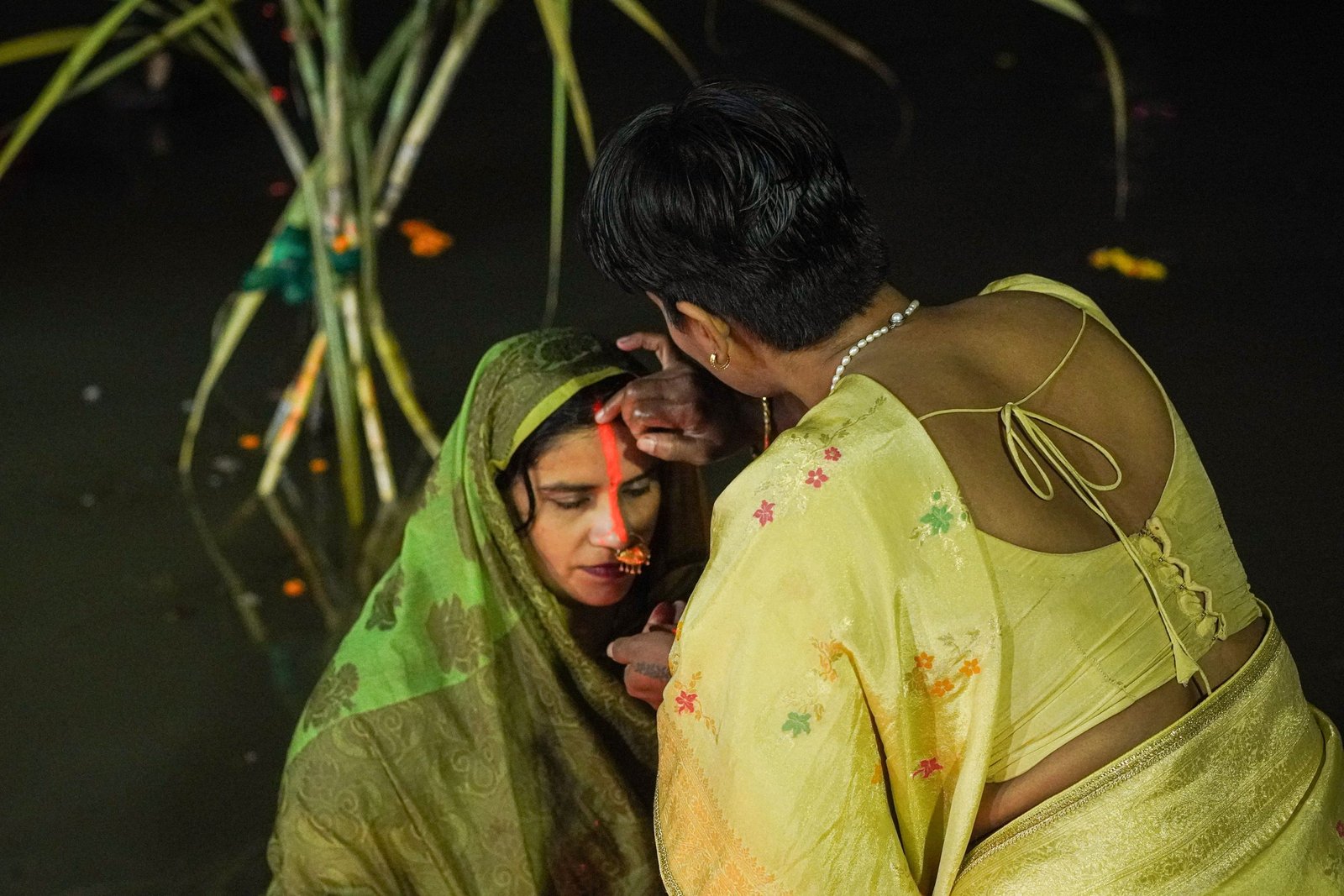
The festival is offered to Surya, the Sun God, and to Chhathi Maiya. There is usually no idol and no priest leading the rites. The vrati, most often a woman of the household, stands in the water and offers arghya first to the setting sun and then, the next morning, to the rising sun.
For a visual overview, read our Chhath Puja 2026 dates and rituals web story.
Chhath Puja 2026 date and four-day schedule
- Nahay Khay: Friday, 13 November
- Kharna, also called Lohanda: Saturday, 14 November
- Sandhya Arghya: Sunday, 15 November
- Usha Arghya and parana: Monday, 16 November
The Chhath Puja 2026 date is the same across West Bengal, Bihar, Jharkhand and Delhi. What changes from city to city is the exact minute of sunset and sunrise, because that is when the arghya is offered.
Chhath Puja 2026 date and arghya timings in Kolkata, Patna and Delhi
Sandhya Arghya is offered as the sun sets on 15 November. Usha Arghya is offered as the sun rises on 16 November. Reach the ghat 30 to 60 minutes early. On a riverbank, trees or buildings can hide the sun a few minutes before or after the listed time.
Approximate local times are:
- Kolkata: sunset 4:52 pm on 15 November; sunrise 5:49 am on 16 November
- Patna: sunset 5:00 pm on 15 November; sunrise 6:07 am on 16 November
- New Delhi: sunset 5:27 pm on 15 November; sunrise 6:44 am on 16 November
Kolkata, further east, sees both offerings earlier than Patna, and more than half an hour earlier than Delhi. In a smaller town, use the nearest city as a guide.
Is Chhath Puja a holiday in 2026?
The holiday is not the same in every state, and it does not cover all four days. For another festival date guide, read our Diwali 2026 date and puja muhurat guide.
In West Bengal, 15 November is already a Sunday off. Monday, 16 November is an additional state government holiday for Chhat Puja, so state government offices will be closed. This extra day is not a bank holiday under the Negotiable Instruments Act, so banks are expected to remain open.
In Bihar, 15 and 16 November are gazetted holidays. 14 November, the day of Kharna, is a restricted holiday. 13 November is not a general government holiday.
In Jharkhand, Monday, 16 November is a gazetted public holiday for the morning arghya. 15 November is a Sunday, already a weekly off.
In Delhi, Monday, 16 November is a holiday for Delhi government offices, autonomous bodies and public sector undertakings. School holidays can differ, so check the local circular.
Rituals of each day
Day 1: Nahay Khay, 13 November
Nahay Khay means to bathe and to eat. Vratis take a purifying dip in a river or a clean pond, and many bring that water home for cooking. The house and kitchen are scrubbed clean. The day’s meal is simple and satvik: bottle gourd (kaddu or lauki), arwa rice and chana dal, cooked without onion or garlic, usually with rock salt. The vrati eats first, and the family shares what remains.
Day 2: Kharna, 14 November
On Kharna, also called Lohanda, the vrati fasts through the day. After sunset, a prasad of gur (jaggery) kheer and roti is prepared, offered and eaten. Once that meal is taken, the nirjala vrat begins: no food and no water for about 36 hours, until the morning arghya on 16 November.
Day 3: Sandhya Arghya, 15 November
This is the main evening of Chhath. Families carry bamboo soops and dauras filled with thekua, sugarcane, coconut and seasonal fruit to the ghat. The vrati stands in the water and offers arghya to the setting sun. Many families spend the night there, singing Chhath geet and keeping watch over the prasad. Some also set up a kosi, a small canopy of sugarcane sticks with lamps.
Day 4: Usha Arghya, 16 November
Before first light, vratis return to the water, or stay on if they have spent the night at the ghat. Arghya is offered to the rising sun. After the prayer, the vrati breaks the fast, a rite known as parana, often with a little water, ginger and prasad. The offerings are then shared with neighbours and relatives.
What goes into the prasad
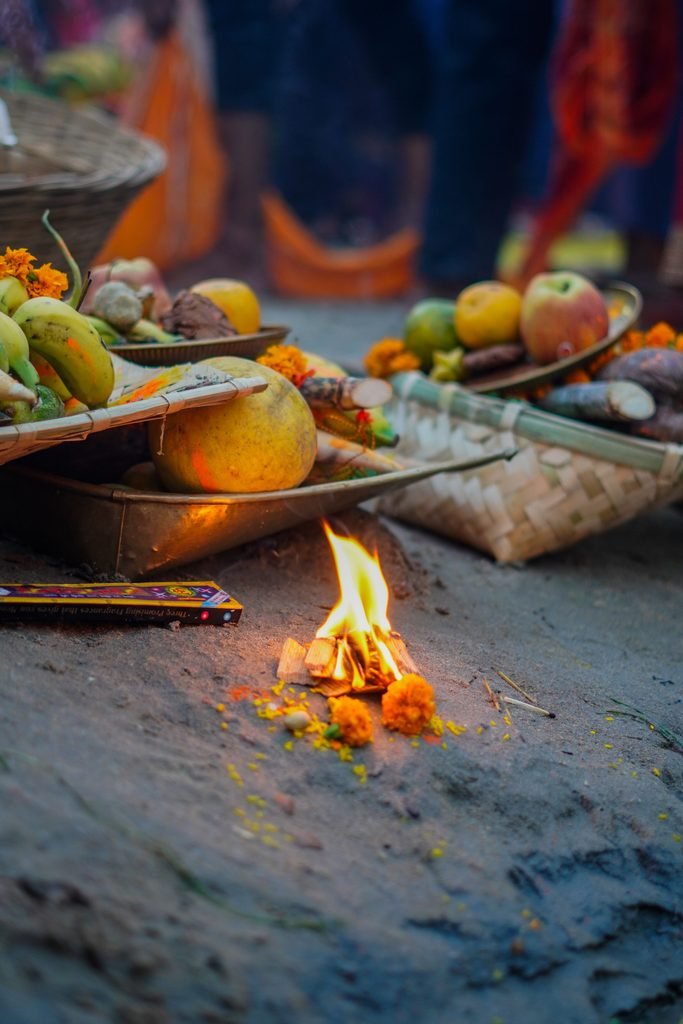
Thekua is the sweet most people associate with Chhath. It is made from wheat flour, jaggery and ghee, sometimes with fennel or cardamom, then shaped and fried. Families often cook it in large batches so there is enough to offer and to send home with guests. The soop usually also holds sugarcane, coconuts, bananas and other seasonal fruit, and sometimes a rice sweet such as kasar. On Kharna, the prasad is gur kheer and roti, not thekua.
Popular ghats in Kolkata and Patna
In Kolkata, the busiest spots are along the Hooghly. Babughat, Doighat and Taktaghat usually draw the largest crowds. Howrah also has well-attended ghats, including Ramkrishnapur Ghat and Telkal Ghat. Civic bodies set up extra ponds in neighbourhoods across the city, so you do not have to travel to the river if a local ghat is closer.
One change matters this year. Rabindra Sarobar and Subhas Sarobar will remain closed for Chhath rituals. Do not plan to offer arghya at either lake. Use a notified Hooghly ghat or one of the arranged ponds instead.
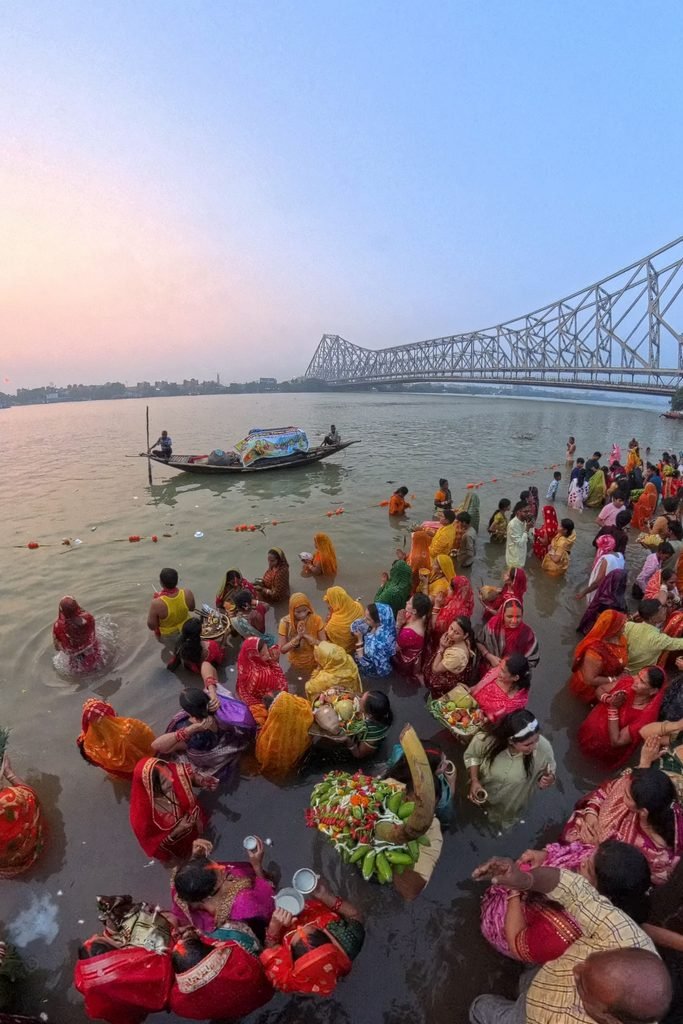
In Patna, the Ganga waterfront is the centre of the festival. Digha Ghat, Gandhi Ghat and Collectorate Ghat are among the best known. Expect heavy crowds on Sunday evening and Monday morning, and leave early if you are travelling with children or an elderly vrati.
Safety and travel tips
November evenings by the river can turn cold, especially if you stay overnight. Carry a light shawl, dry clothes for the vrati, and a torch for the walk back before dawn. Stand only in the shallow, marked stretch of water. In Kolkata, the police often put out floaters to mark a line; do not cross it, and keep a close eye on children.
If the vrati feels unwell during the nirjala fast, do not ignore it. Roads near the ghats will be slow, so give yourself extra time on 15 and 16 November. Do not throw oil, leftover food or flowers into the river, and follow the local rules posted at the ghat.
Frequently asked questions
What is the Chhath Puja 2026 date?
The Chhath Puja 2026 date spans 13 to 16 November 2026. The evening offering is on the 15th, and the morning offering is on the 16th.
What time is Sandhya Arghya in Kolkata?
Around 4:52 pm on 15 November, at local sunset. Reach the ghat well before that.
Is 16 November a holiday in West Bengal?
Yes, for state government offices. Banks are expected to stay open. Private workplaces may or may not give the day off.
Can I offer arghya at Rabindra Sarobar or Subhas Sarobar this year?
No. Both lakes are closed for Chhath in 2026. Use a Hooghly ghat or a pond arranged by the civic body.
What should I take to the ghat?
The soop or daura with thekua and fruit, a change of clothes, water for those not fasting, and something warm for the wait before sunrise.